Why a Professional Real Estate Website Matters for Your Business
Real estate is highly competitive.
Potential clients may compare several agents before choosing who they want to work with.
A professional website gives you an opportunity to control how your business is presented online.
A well-designed real estate website can help you:
- Establish credibility
- Build your personal brand
- Showcase current listings
- Present recent sales
- Introduce your team
- Explain your services
- Highlight your local market knowledge
- Display genuine client reviews
- Capture buyer leads
- Capture seller leads
- Provide useful real estate information
- Make it easy to schedule consultations
- Support your local online presence
Your website shouldn’t simply say that you’re a real estate agent.
It should help potential clients understand why they should contact you.

Everything Your Real Estate Website Needs
We design real estate websites around the information buyers and sellers actually need.
Property Listings
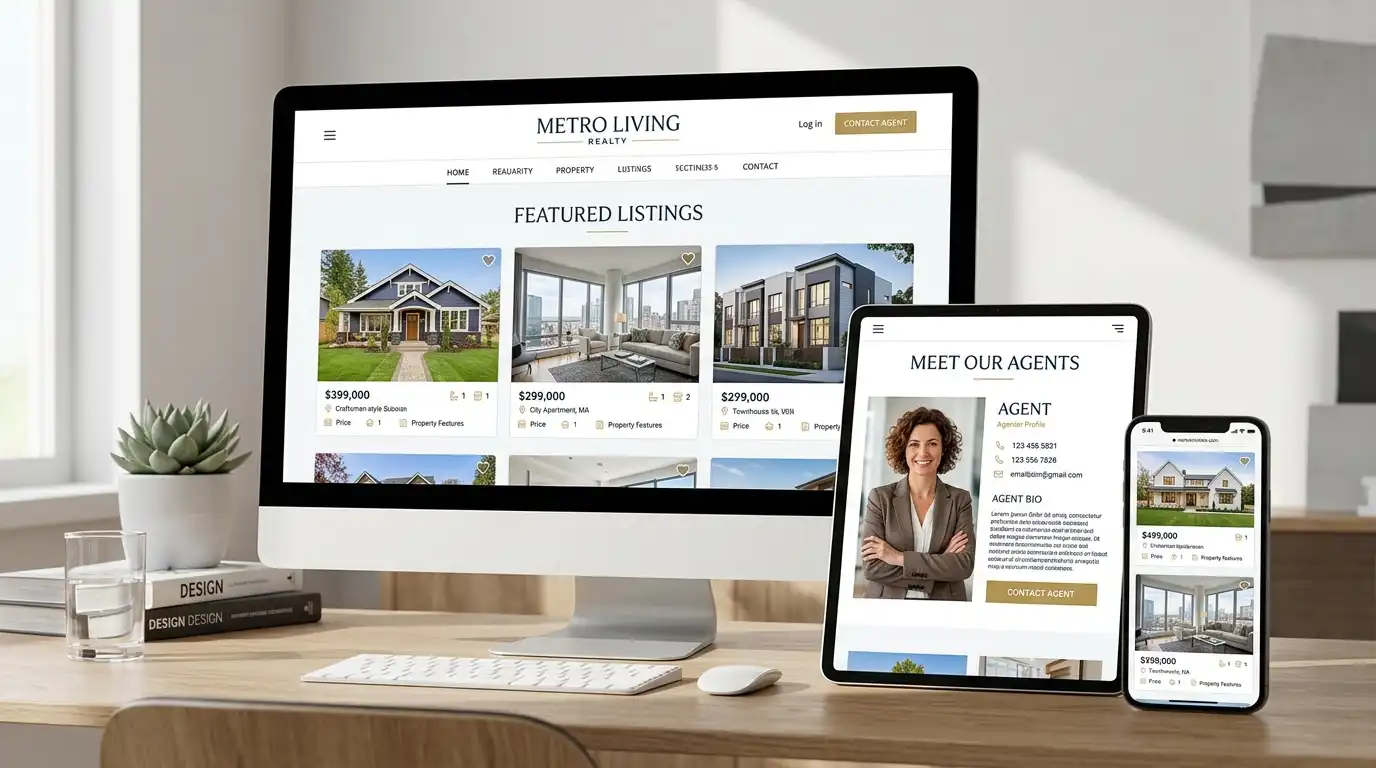
Showcase current properties with photographs, descriptions, key features, location information, and relevant details.
Buyer Services
Explain how you help buyers search for properties, evaluate options, negotiate, and navigate the purchase process.
Seller Services
Explain how you help homeowners prepare, market, and sell their properties.
Agent Profiles
Introduce yourself and your team with professional photographs, biographies, experience, qualifications, and areas of expertise.
Property Gallery
Use high-quality photography to make your listings visually compelling.
Sold Properties
Show examples of successfully completed transactions where appropriate.
Client Reviews
Display genuine testimonials from previous clients.
Contact & Lead Forms
Give visitors simple ways to request information, schedule a consultation, or contact you.
Built Around Your Real Estate Business
Your website can include the features your real estate business actually needs.
- Professional custom design
- Mobile-responsive layout
- WordPress CMS
- Easy-to-update content
- Property listing pages
- Property galleries
- Buyer information
- Seller information
- Agent profile pages
- Team profiles
- Client testimonials
- Sold property showcases
- Contact forms
- Consultation request forms
- Lead capture forms
- Click-to-call buttons
- Google Maps integration
- Neighborhood information
- Blog or market insights
- FAQ sections
- Strong calls to action
- Social media links
- SSL/HTTPS
- Sitemap
- Search-engine-friendly structure
- Fast-loading pages
The exact features can be tailored to your real estate business, market, team, and goals.

Turn Website Visitors Into Real Estate Leads
A real estate website should make it easy for visitors to take the next step.
Depending on your business, that could mean:
Request a Property Showing
Give potential buyers an easy way to express interest in a property.
Schedule a Consultation
Allow buyers and sellers to request a conversation with you.
Ask About a Property
Provide a simple way for visitors to ask questions about a listing.
Request a Home Valuation
If you offer this service, create a dedicated opportunity for homeowners to request information about their property.
Call Your Office
Keep your phone number prominent so visitors can quickly contact you.
Join Your Contact List
If appropriate and compliant with applicable requirements, provide an option for visitors to request property updates or other information.
Clear calls to action can be placed throughout the website so visitors always know what to do next.
Designed for People Searching on Their Phones
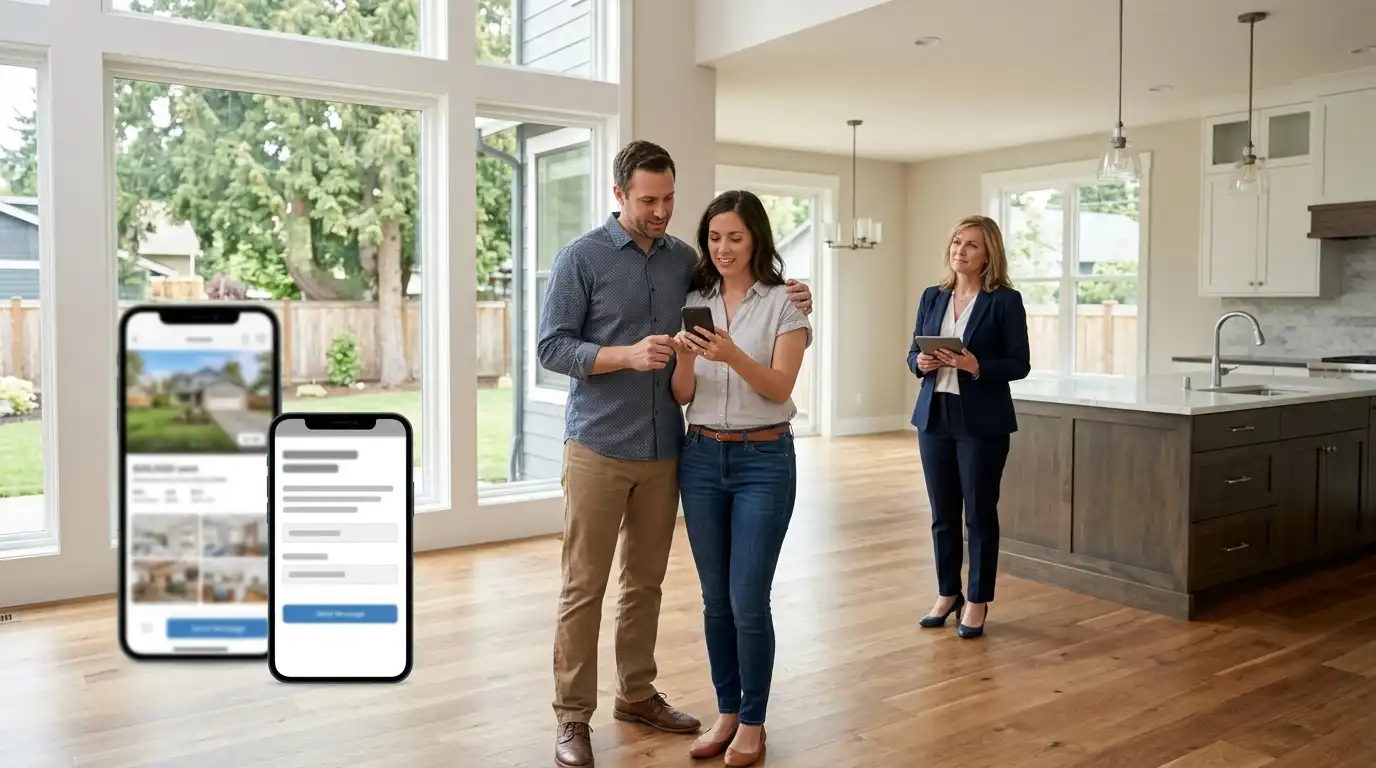
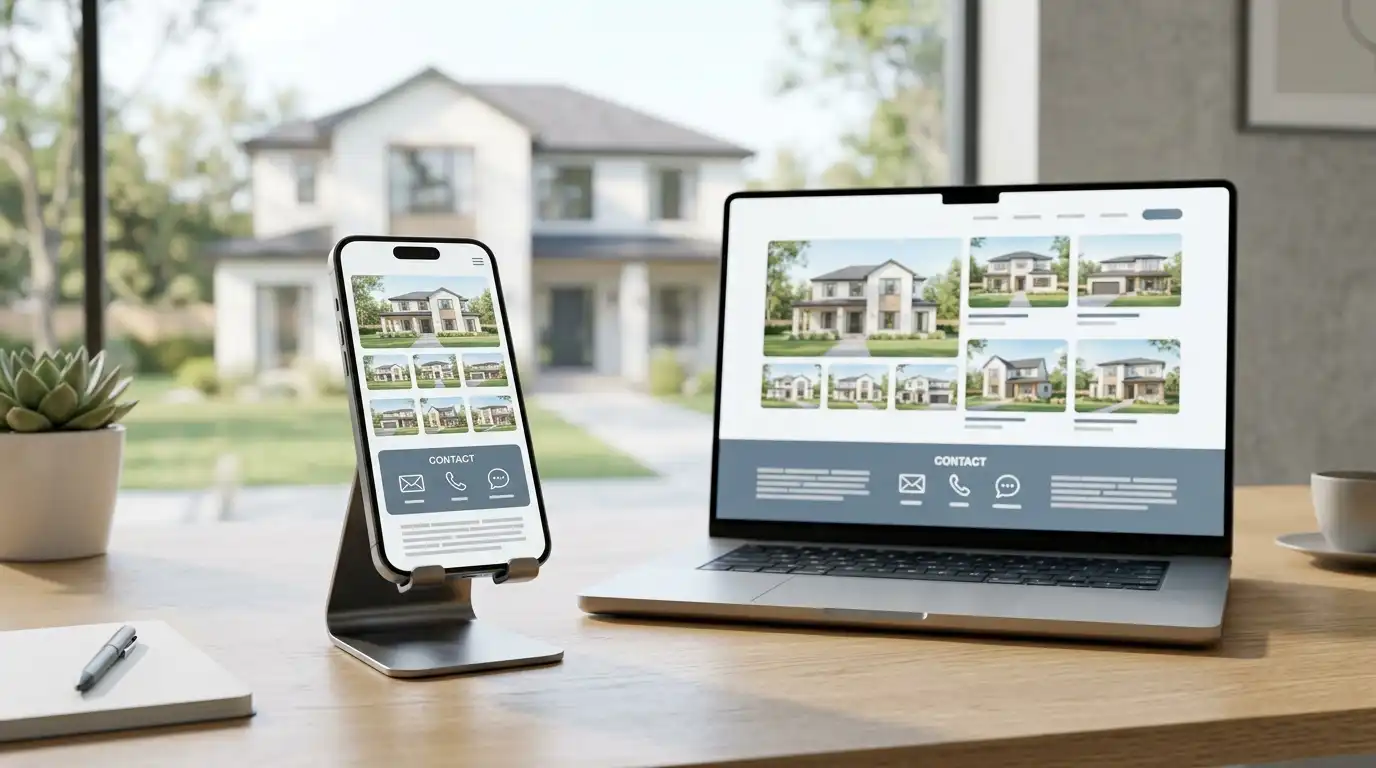
Real estate searches frequently happen on smartphones.
A potential buyer might discover a property while commuting, during lunch, or while browsing homes with their family.
A seller might be researching agents from their phone before requesting a consultation.
Your website should make those experiences simple.
A mobile-friendly real estate website can make it easy to:
- Browse properties
- View property photographs
- Read listing information
- Contact an agent
- Request a showing
- Request a consultation
- Find your office
- Read client reviews
- Explore service areas
- Submit a lead form
A strong mobile experience gives potential clients a better way to interact with your business wherever they happen to be.
A Website Built Around Your Local Market
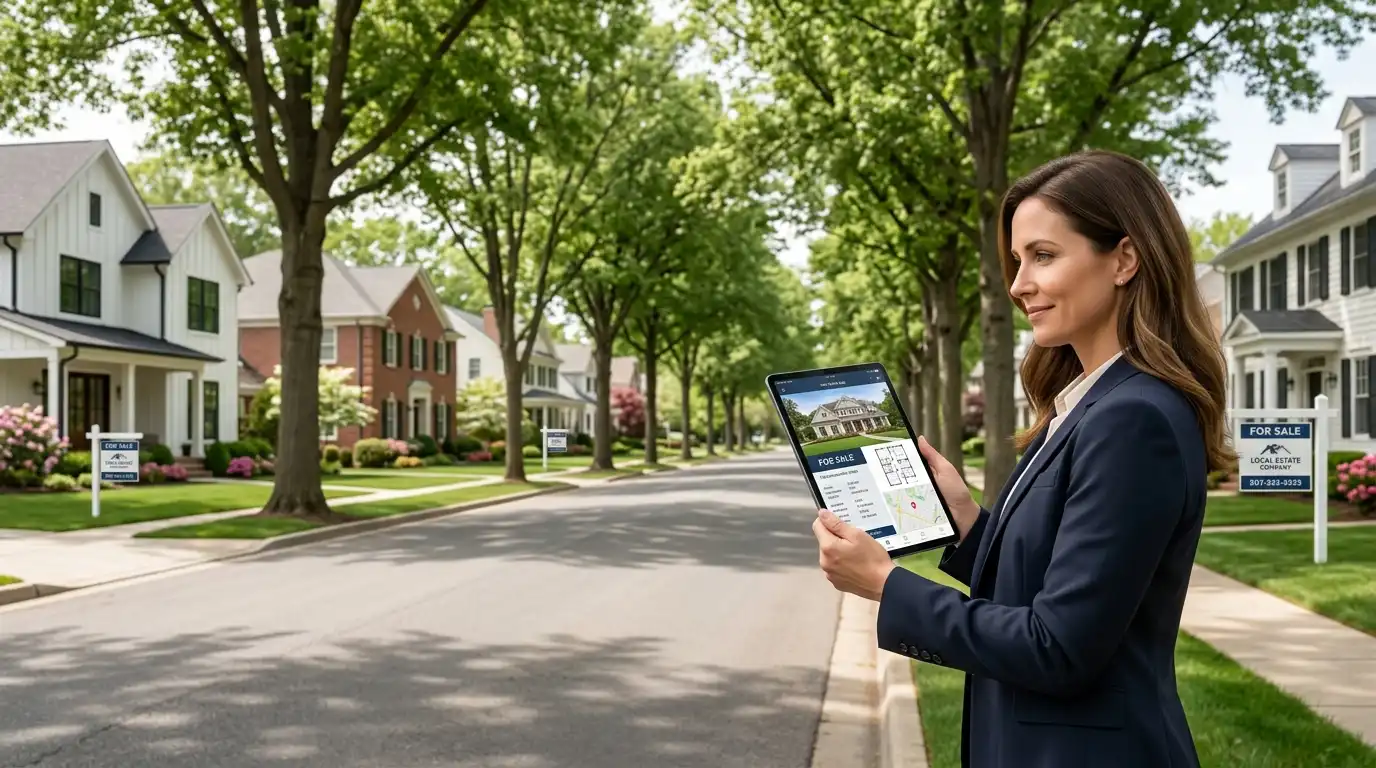
Real estate is inherently local.
Your website should make it clear which communities, neighborhoods, cities, and property markets you understand.
You can highlight:
Areas You Serve
Clearly identify your primary markets and communities.
Local Market Knowledge
Publish useful information about local real estate trends, neighborhoods, property types, and the buying or selling process.
Neighborhood Information
Create useful pages that introduce relevant communities and local amenities.
Properties
Show listings that demonstrate the type of real estate you represent.
Your Local Experience
Explain your experience working with buyers and sellers in your market.
Local information can also provide useful opportunities to build a stronger search presence for relevant geographic searches.
Make Your Property Listings Stand Out
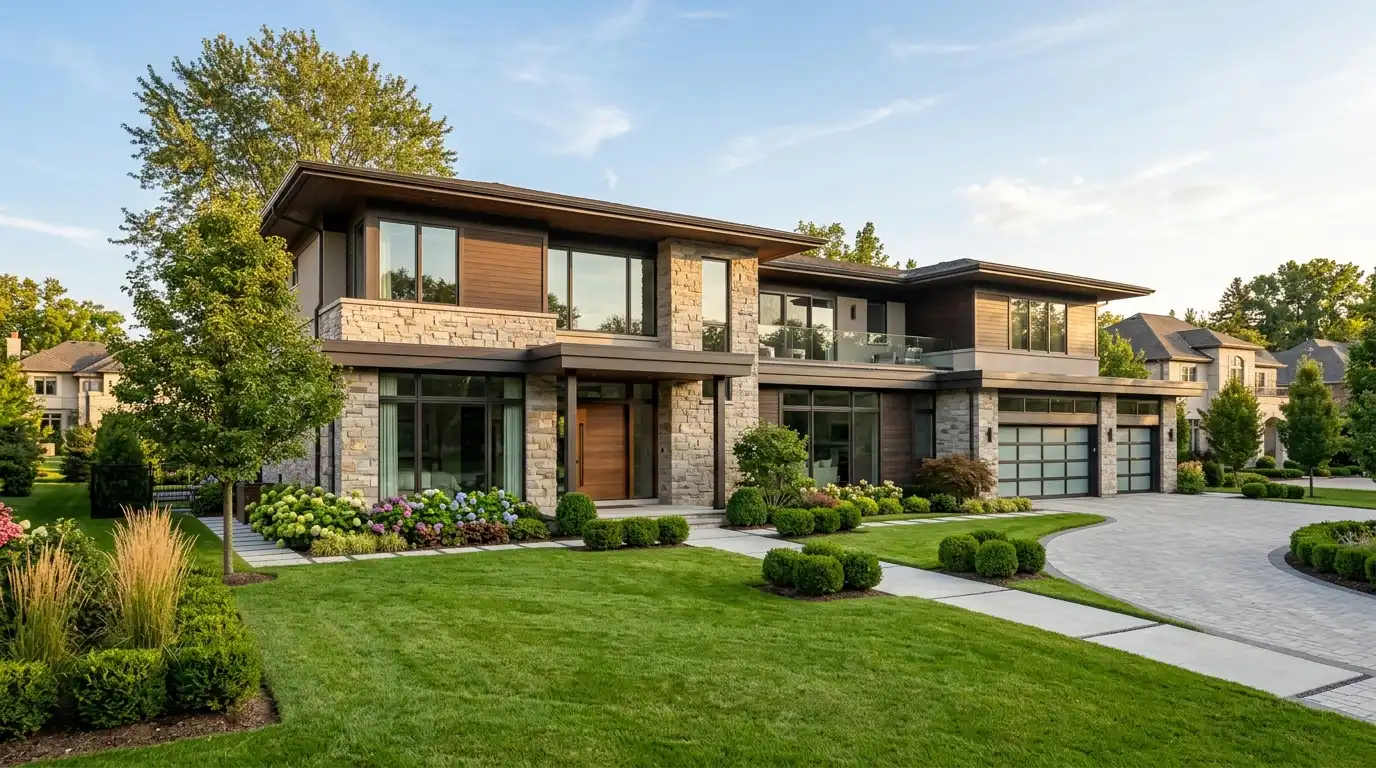
Your property listings are one of the most important parts of a real estate website.
Each listing can present information such as:
- Property photographs
- Property type
- Location
- Number of bedrooms
- Number of bathrooms
- Square footage
- Key features
- Property description
- Amenities
- Neighborhood information
- Contact options
- Showing information
High-quality photographs should be a major part of the presentation.
Your website can give visitors a cleaner, more focused experience when exploring the properties you represent.
Help Buyers Find Their Next Home
A real estate website can provide more than property photographs.
It can help buyers understand how you work and what they can expect from the buying process.
Useful buyer-focused content can include:
- How the buying process works
- Preparing to buy a home
- Property search guidance
- Home viewing information
- Making an offer
- Negotiation information
- Closing process
- Local market information
- Frequently asked questions
The goal is to make your website useful before a buyer is ready to contact you.

Help Sellers Understand Your Value
Homeowners choosing a real estate agent want to understand what the agent will actually do for them.
Your website can explain your approach to selling a property.
You can discuss:
- Preparing a property for market
- Property photography
- Listing strategy
- Marketing
- Showing coordination
- Buyer communication
- Negotiation
- Transaction coordination
- Local market knowledge
Rather than simply saying that you provide excellent service, explain what your process looks like.
That gives potential sellers something concrete to evaluate.

Showcase Your Real Estate Brand
Your website should feel like your business.
Whether you’re an independent agent, a small team, or a larger brokerage, the design can reflect your:
- Brand identity
- Professional personality
- Market
- Property specialties
- Experience
- Team
- Approach to client service
Professional photography can also play an important role.
Consider using photographs of:
- You
- Your team
- Your office
- Local neighborhoods
- Properties
- Recent projects
- Community events where appropriate
Authentic imagery can make your website feel much more personal than a generic real estate template.

What Should a Real Estate Website Look Like?
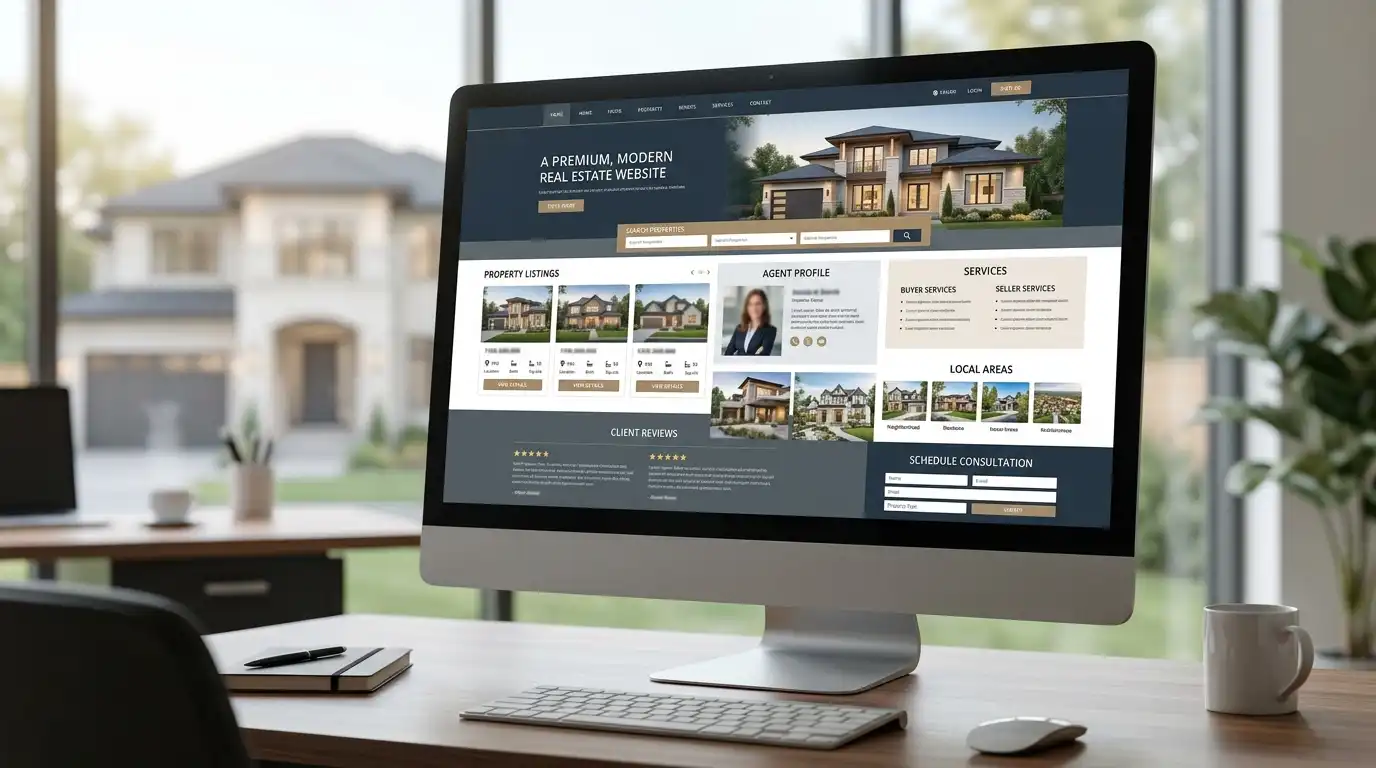
A typical real estate website might include:
Home
Introduce your brand, featured properties, services, market areas, reviews, and contact options.
About
Tell visitors about you, your team, experience, and approach to real estate.
Properties
Show available listings and relevant property information.
Buyers
Explain your buyer services and provide useful resources.
Sellers
Explain your seller services and approach to marketing properties.
Areas We Serve
Introduce your local markets and communities.
Reviews
Highlight genuine client feedback.
Resources / Blog
Publish useful information about buying, selling, local markets, home ownership, and real estate.
Contact
Provide your phone number, consultation request form, office location, and other relevant contact information.
The structure can be customized around your real estate business.
Common Real Estate Website Mistakes
A real estate website can lose potential clients without the agent realizing it.
Making Everything About Listings
Listings are important, but your website should also sell you.
Buyers and sellers need to understand why they should choose your services.
No Clear Buyer or Seller Services
Visitors should quickly understand how you help buyers and sellers.
Poor Property Photography
Real estate is visual.
Low-quality images can make excellent properties appear less appealing.
No Agent Information
People want to know who they are considering hiring.
Provide a professional biography and photograph.
No Local Information
Your knowledge of the local market can be a major differentiator.
Difficult Contact Process
Visitors should be able to call, email, or request a consultation without searching through the website.
Poor Mobile Experience
Many people browse properties on their phones.
Your property pages and contact forms should work well on smaller screens.
Outdated Listings
Remove or clearly identify properties that are no longer available.
Keeping listing information current is essential for a professional experience.
Generic Website Content
Your website should communicate your actual market, experience, services, properties, and personality.
Your Website Should Represent Your Real Estate Business
You’re not just selling properties.
You’re building a relationship with buyers and sellers who are making significant financial decisions.
Your website should communicate professionalism, knowledge, trust, and accessibility.
We can build the website around your:
- Brand
- Real estate services
- Market
- Properties
- Team
- Experience
- Client reviews
- Buyer services
- Seller services
- Local knowledge
- Professional story
- Business goals
The result should be a website that feels like your real estate business rather than another generic agent template.

Our Real Estate Website Design Process
1. Understand Your Business
We start by learning about your real estate business, market, services, properties, team, clients, and goals.
2. Plan the Website
We determine the pages, property structure, calls to action, lead forms, and information visitors need.
3. Design the Website
We create a professional design around your brand and market.
4. Build the Website
The website is built using WordPress and designed to work across desktop, tablet, and mobile devices.
5. Review & Refine
You review the website and provide feedback so we can make the necessary adjustments.
6. Launch
Once everything is ready, your new real estate website goes live.
Real Estate Website Design FAQs
How much does a real estate website cost?
The cost depends on the size, features, content requirements, property functionality, and integrations needed. A simple agent website will generally cost less than a larger website with extensive property listings, search functionality, team profiles, lead generation features, and other functionality.
How long does it take to build a real estate website?
The timeline depends on the size and complexity of the project. A typical small real estate website can often be completed within a few weeks, depending on how quickly content, photographs, feedback, and approvals are provided.
Can you redesign my existing real estate website?
Yes. An existing real estate website can be redesigned and rebuilt with a modern structure, improved mobile experience, clearer calls to action, and updated content.
Can I update property listings myself?
Yes. WordPress allows authorized users to update many parts of a website without needing to edit code. The exact property management setup can depend on how your listings are provided.
Will my real estate website work on mobile phones?
Yes. The website should be designed to provide a usable experience across smartphones, tablets, laptops, and desktop computers.
Can you add property listings?
Yes. Property listings can be incorporated into the website based on your preferred listing management system and requirements.
Can you add my real estate team?
Yes. Agent and team profile sections can introduce the professionals behind your business.
Can buyers request property showings through the website?
Yes. A showing request or contact form can be added so potential buyers can express interest in a property.
Can sellers request a consultation?
Yes. Your website can include dedicated seller consultation or contact forms.
Can you add my service areas?
Yes. Your website can clearly communicate the communities, neighborhoods, cities, and markets you serve.
Can you add customer reviews?
Yes. Genuine client testimonials can be incorporated into your website.
Can you help with SEO?
The website can be built with a search-engine-friendly structure and appropriate on-page foundations. Ongoing SEO is a separate service and can be added when needed.